🚚 Free Worldwide Shipping on All Orders!Shop Now
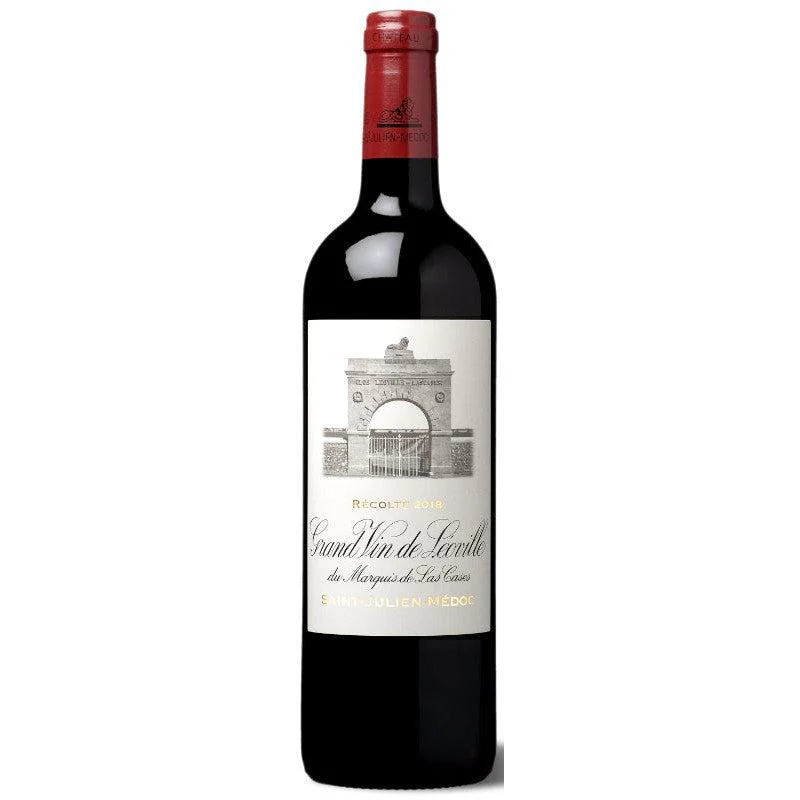
Chateau Léoville-Las-Cases, 2ème G.C.C, 1855 St. Julien 2019
"Allocation only, email [email protected] to secure allocation"
A tireless pursuit of excellence is deeply entrenched within the winemaking philosophy at Château Léoville Las Cases. It is no wonder this Saint-Julien estate is considered one of the original “Super Seconds,” and could be promoted to a First Growth if the 1855 Classification were to be revised. With its exceptional terroir, rigorous adherence to tradition, and openness to new winemaking technology, Château Léoville Las Cases could be considered one of finest examples of great winemaking in the Médoc. Château Léoville Las Cases was one of the oldest and largest estates in the Médoc. This sprawling Saint-Julien property was the first estate credited for producing 2nd Growth Wines in Bordeaux. In the mid 18th Century, the massive estate was split into three smaller parcels – Château Léoville Las Cases, Château Léoville Barton, and Château Léoville Poyferre. Château Léoville Las Cases led the way in terms of viticultural technique during the 18th Century. It was one of the first châteaux to cultivate smaller berries for winemaking and use pine trellises in the vineyards. They were also one of the first producers in Bordeaux to age wine in French Oak Barrels and use a Sulphur cleaning solution between vintages. These may not seem like novel ideas now, but in the late 18th Century they were revolutionary. Château Léoville Las Cases continued to lead in the 19th and 20th centuries by being the first Bordeaux producer to have a separate label – Clos du Marquis. Château Léoville Las Cases is family owned and has been for over a hundred years. Michel Delon and his son Jean-Hubert are considered to be the men responsible for taking the Château’s production to new heights. Perfectionism is in their blood and they are not afraid to invest in state-of-the-art technology that rivals some of the First Growth Estates. These 97-hectare vineyards are a stone’s throw away from Pauillac and views of the First Growth powerhouse, Château Latour, can be seen at the property. It is of no coincidence that the wines of Léoville Las Cases possess the same strength and remarkable ageability of this Pauillac First Growth. Many a drinker has commented that this St-Julién estate’s wines drink a lot more like Pauillac wines because of their sheer fortitude and classic elegance. Château Léoville Las Cases hosts numerous plantings of Cabernet Sauvignon, Merlot, Cabernet Franc, and a small portion of Petit Verdot. The vines are on average 40 years old, with some exceptions that are almost a century old. The winemaking team tends the vineyards with loving care and the vines are harvested by hand for the Grand Vin. In 2007, Château Léoville Las Cases introduced a second wine called Le Petit Léon in 2007. The purpose for Le Petit Léon was to raise the bar for the Grand Vin and serve as a more user-friendly wine that is ready to drink. That being said, Le Petit Léon still has the enormous ageing potential of its sister wine. Château Léoville Las Cases produces wines that unfold beautifully after 15-20 years due to their painstaking commitment to quality. Their meticulous attention to detail is imitated by many, achieved by few, and surpassed by none.
A tireless pursuit of excellence is deeply entrenched within the winemaking philosophy at Château Léoville Las Cases. It is no wonder this Saint-Julien estate is considered one of the original “Super Seconds,” and could be promoted to a First Growth if the 1855 Classification were to be revised. With its exceptional terroir, rigorous adherence to tradition, and openness to new winemaking technology, Château Léoville Las Cases could be considered one of finest examples of great winemaking in the Médoc. Château Léoville Las Cases was one of the oldest and largest estates in the Médoc. This sprawling Saint-Julien property was the first estate credited for producing 2nd Growth Wines in Bordeaux. In the mid 18th Century, the massive estate was split into three smaller parcels – Château Léoville Las Cases, Château Léoville Barton, and Château Léoville Poyferre. Château Léoville Las Cases led the way in terms of viticultural technique during the 18th Century. It was one of the first châteaux to cultivate smaller berries for winemaking and use pine trellises in the vineyards. They were also one of the first producers in Bordeaux to age wine in French Oak Barrels and use a Sulphur cleaning solution between vintages. These may not seem like novel ideas now, but in the late 18th Century they were revolutionary. Château Léoville Las Cases continued to lead in the 19th and 20th centuries by being the first Bordeaux producer to have a separate label – Clos du Marquis. Château Léoville Las Cases is family owned and has been for over a hundred years. Michel Delon and his son Jean-Hubert are considered to be the men responsible for taking the Château’s production to new heights. Perfectionism is in their blood and they are not afraid to invest in state-of-the-art technology that rivals some of the First Growth Estates. These 97-hectare vineyards are a stone’s throw away from Pauillac and views of the First Growth powerhouse, Château Latour, can be seen at the property. It is of no coincidence that the wines of Léoville Las Cases possess the same strength and remarkable ageability of this Pauillac First Growth. Many a drinker has commented that this St-Julién estate’s wines drink a lot more like Pauillac wines because of their sheer fortitude and classic elegance. Château Léoville Las Cases hosts numerous plantings of Cabernet Sauvignon, Merlot, Cabernet Franc, and a small portion of Petit Verdot. The vines are on average 40 years old, with some exceptions that are almost a century old. The winemaking team tends the vineyards with loving care and the vines are harvested by hand for the Grand Vin. In 2007, Château Léoville Las Cases introduced a second wine called Le Petit Léon in 2007. The purpose for Le Petit Léon was to raise the bar for the Grand Vin and serve as a more user-friendly wine that is ready to drink. That being said, Le Petit Léon still has the enormous ageing potential of its sister wine. Château Léoville Las Cases produces wines that unfold beautifully after 15-20 years due to their painstaking commitment to quality. Their meticulous attention to detail is imitated by many, achieved by few, and surpassed by none.
Select Size:
From $153.66
Original: $439.03
-65%Chateau Léoville-Las-Cases, 2ème G.C.C, 1855 St. Julien 2019—
$439.03
$153.66Product Information
Product Information
Shipping & Returns
Shipping & Returns
Description
"Allocation only, email [email protected] to secure allocation"
A tireless pursuit of excellence is deeply entrenched within the winemaking philosophy at Château Léoville Las Cases. It is no wonder this Saint-Julien estate is considered one of the original “Super Seconds,” and could be promoted to a First Growth if the 1855 Classification were to be revised. With its exceptional terroir, rigorous adherence to tradition, and openness to new winemaking technology, Château Léoville Las Cases could be considered one of finest examples of great winemaking in the Médoc. Château Léoville Las Cases was one of the oldest and largest estates in the Médoc. This sprawling Saint-Julien property was the first estate credited for producing 2nd Growth Wines in Bordeaux. In the mid 18th Century, the massive estate was split into three smaller parcels – Château Léoville Las Cases, Château Léoville Barton, and Château Léoville Poyferre. Château Léoville Las Cases led the way in terms of viticultural technique during the 18th Century. It was one of the first châteaux to cultivate smaller berries for winemaking and use pine trellises in the vineyards. They were also one of the first producers in Bordeaux to age wine in French Oak Barrels and use a Sulphur cleaning solution between vintages. These may not seem like novel ideas now, but in the late 18th Century they were revolutionary. Château Léoville Las Cases continued to lead in the 19th and 20th centuries by being the first Bordeaux producer to have a separate label – Clos du Marquis. Château Léoville Las Cases is family owned and has been for over a hundred years. Michel Delon and his son Jean-Hubert are considered to be the men responsible for taking the Château’s production to new heights. Perfectionism is in their blood and they are not afraid to invest in state-of-the-art technology that rivals some of the First Growth Estates. These 97-hectare vineyards are a stone’s throw away from Pauillac and views of the First Growth powerhouse, Château Latour, can be seen at the property. It is of no coincidence that the wines of Léoville Las Cases possess the same strength and remarkable ageability of this Pauillac First Growth. Many a drinker has commented that this St-Julién estate’s wines drink a lot more like Pauillac wines because of their sheer fortitude and classic elegance. Château Léoville Las Cases hosts numerous plantings of Cabernet Sauvignon, Merlot, Cabernet Franc, and a small portion of Petit Verdot. The vines are on average 40 years old, with some exceptions that are almost a century old. The winemaking team tends the vineyards with loving care and the vines are harvested by hand for the Grand Vin. In 2007, Château Léoville Las Cases introduced a second wine called Le Petit Léon in 2007. The purpose for Le Petit Léon was to raise the bar for the Grand Vin and serve as a more user-friendly wine that is ready to drink. That being said, Le Petit Léon still has the enormous ageing potential of its sister wine. Château Léoville Las Cases produces wines that unfold beautifully after 15-20 years due to their painstaking commitment to quality. Their meticulous attention to detail is imitated by many, achieved by few, and surpassed by none.
A tireless pursuit of excellence is deeply entrenched within the winemaking philosophy at Château Léoville Las Cases. It is no wonder this Saint-Julien estate is considered one of the original “Super Seconds,” and could be promoted to a First Growth if the 1855 Classification were to be revised. With its exceptional terroir, rigorous adherence to tradition, and openness to new winemaking technology, Château Léoville Las Cases could be considered one of finest examples of great winemaking in the Médoc. Château Léoville Las Cases was one of the oldest and largest estates in the Médoc. This sprawling Saint-Julien property was the first estate credited for producing 2nd Growth Wines in Bordeaux. In the mid 18th Century, the massive estate was split into three smaller parcels – Château Léoville Las Cases, Château Léoville Barton, and Château Léoville Poyferre. Château Léoville Las Cases led the way in terms of viticultural technique during the 18th Century. It was one of the first châteaux to cultivate smaller berries for winemaking and use pine trellises in the vineyards. They were also one of the first producers in Bordeaux to age wine in French Oak Barrels and use a Sulphur cleaning solution between vintages. These may not seem like novel ideas now, but in the late 18th Century they were revolutionary. Château Léoville Las Cases continued to lead in the 19th and 20th centuries by being the first Bordeaux producer to have a separate label – Clos du Marquis. Château Léoville Las Cases is family owned and has been for over a hundred years. Michel Delon and his son Jean-Hubert are considered to be the men responsible for taking the Château’s production to new heights. Perfectionism is in their blood and they are not afraid to invest in state-of-the-art technology that rivals some of the First Growth Estates. These 97-hectare vineyards are a stone’s throw away from Pauillac and views of the First Growth powerhouse, Château Latour, can be seen at the property. It is of no coincidence that the wines of Léoville Las Cases possess the same strength and remarkable ageability of this Pauillac First Growth. Many a drinker has commented that this St-Julién estate’s wines drink a lot more like Pauillac wines because of their sheer fortitude and classic elegance. Château Léoville Las Cases hosts numerous plantings of Cabernet Sauvignon, Merlot, Cabernet Franc, and a small portion of Petit Verdot. The vines are on average 40 years old, with some exceptions that are almost a century old. The winemaking team tends the vineyards with loving care and the vines are harvested by hand for the Grand Vin. In 2007, Château Léoville Las Cases introduced a second wine called Le Petit Léon in 2007. The purpose for Le Petit Léon was to raise the bar for the Grand Vin and serve as a more user-friendly wine that is ready to drink. That being said, Le Petit Léon still has the enormous ageing potential of its sister wine. Château Léoville Las Cases produces wines that unfold beautifully after 15-20 years due to their painstaking commitment to quality. Their meticulous attention to detail is imitated by many, achieved by few, and surpassed by none.